Seeking ways to lose weight without surgery? Non-surgical weight loss methods offer effective, safer alternatives. Learn about the top treatments, their benefits, and what to expect.
Key Takeaways
- Non-surgical weight loss methods, such as intragastric balloons and AspireAssist, offer effective fat reduction without the risks associated with surgery.
- Candidates for non-surgical options typically have a BMI over 30 and should set realistic weight loss goals, as results can vary significantly.
- While non-surgical techniques are generally safer and have shorter recovery times, they may yield slower progress compared to surgical options and are often not covered by insurance.
Understanding Non-Surgical Weight Loss
Non-surgical weight loss refers to methods that assist individuals with weight management without the need for invasive surgeries. Recognized non-surgical procedures include intragastric balloons, AspireAssist, and endoscopic sleeve gastroplasty, which are designed to facilitate effective weight loss. These methods can significantly reduce calorie intake and assist in weight loss without the need for invasive procedures.
One of the primary benefits of non-surgical weight loss methods is that they avoid the risks associated with surgeries, leading to shorter recovery times. For individuals who are not suitable candidates for surgical weight loss options, non-surgical procedures may provide a viable alternative.
Exploring the various non-surgical weight loss options allows you to make an informed decision about the best approach for your journey.
Is Non-Surgical Weight Loss Right for You?
Determining if non-surgical weight loss is right for you involves evaluating various factors. Ideal candidates for non-surgical weight loss treatments often have a BMI above 30 and may also possess comorbid conditions related to obesity related morbid obesity. Additionally, individuals with a waist circumference exceeding 35 inches for women and 40 inches for men are often considered at higher risk of weight gain. These criteria can help identify those who might benefit the most from non-surgical methods.
Setting realistic goals is important when considering non-surgical weight loss procedures. Many patients have expectations of losing 20% or more of their body weight, but the degree of weight loss can vary significantly. Understanding the potential outcomes and having a clear picture of what to expect can help you better assess whether non-surgical weight loss is the right path for you.
Common Non-Surgical Weight Loss Procedures
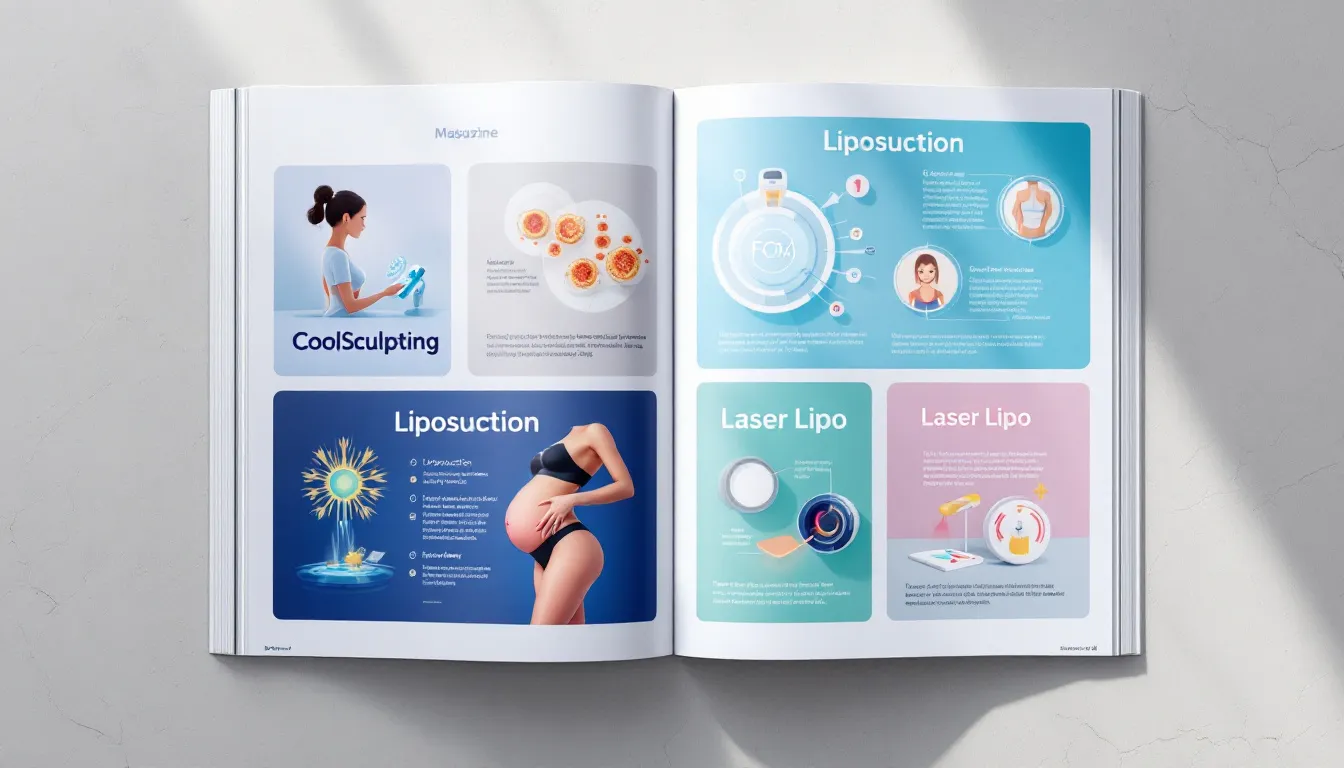
When it comes to non-surgical weight loss, there are several effective treatment options to consider. Common non-surgical options for weight loss include balloon systems, endoscopic surgeries, and various nonsurgical procedures, including a weight loss procedure.
Next, let’s explore some of the most popular procedures: intragastric balloon, endoscopic sleeve gastroplasty, and AspireAssist. Each of these methods offers unique benefits and can be tailored to meet individual needs.
Intragastric Balloon
The intragastric balloon procedure involves inserting a soft, durable balloon into the stomach, which is then filled with a saline solution. There are two primary types of intragastric balloons available, each designed to reduce stomach space, leading to decreased food intake and prolonged feelings of fullness. The procedure is performed using an endoscopic technique while the patient is under mild sedation, allowing for a quick recovery. Patients typically go home just hours after the balloon is placed.
On average, patients can expect to lose about 25% to 29% of their body weight within 12 months after the gastric balloon procedure. The balloon is intended to be in place for approximately six months, after which it is removed. This method offers a non-invasive way to achieve significant weight loss, making it an attractive option for many individuals.
Endoscopic Sleeve Gastroplasty
Endoscopic sleeve gastroplasty is a procedure that places sutures inside the stomach to reduce its size, effectively creating a smaller stomach pouch. This procedure is performed endoscopically without cutting the stomach, meaning no part of the stomach is removed. The process involves using stitches to create folds in the stomach, reducing its size by about 70%.
Approximately 60% of people lose about 20% of their total body weight during the first year after endoscopic sleeve gastroplasty. The procedure can be reversed. However, scar tissue might still persist. This method offers a reversible, non-invasive alternative to traditional surgical options, providing significant weight loss results without the need for major metabolic and bariatric surgery.
AspireAssist
The AspireAssist device helps with weight loss by draining stomach contents after meals. The device is inserted directly into the stomach using an endoscope, and it can remove approximately 30% of the calories consumed during a meal by draining stomach size contents.
This method is suitable for individuals with a BMI range between 35 to 55, offering a unique approach to calorie reduction and weight loss.
FDA-Approved Non-Surgical Fat Reduction Techniques
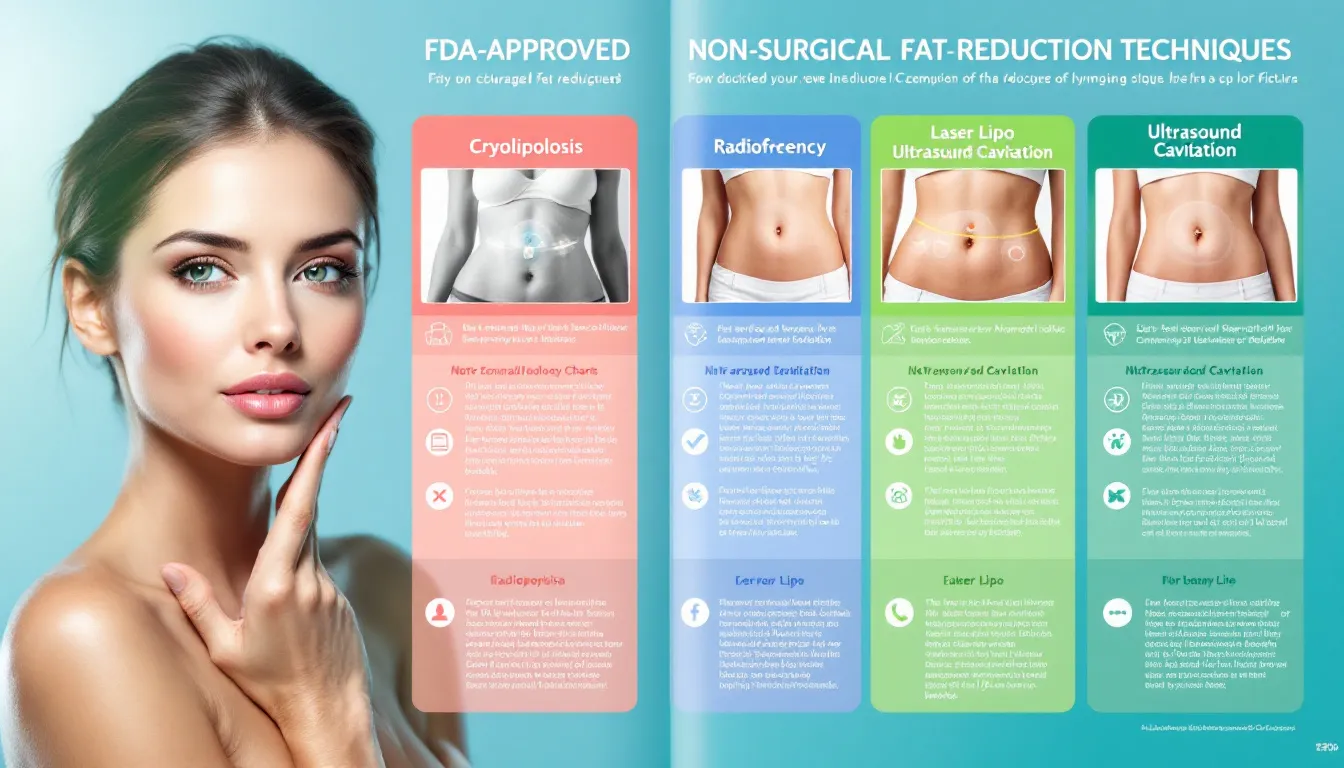
In addition to weight loss procedures, there are several FDA-approved non-surgical fat reduction techniques that can help target and eliminate stubborn fat. These methods include:
- CoolSculpting
- Kybella
- SculpSure
- UltraShape
Each utilizes different technologies to achieve metabolic fat reduction.
Let’s explore these techniques in more detail to understand how they perform and their potential study results, clinical trials, systematic review, efficacy, reviewed benefits, and therapies in medicine data.
CoolSculpting
CoolSculpting, also known as cryolipolysis, is a popular non-invasive fat reduction treatment that uses cold temperatures to freeze and destroy fat cells. During the procedure, a device is applied to the targeted area, cooling the fat cells to the point where they crystallize and die without harming the surrounding skin, muscle, or nerve tissues.
Non-invasive fat reduction treatments like CoolSculpting can be safely administered by licensed aestheticians with proper training under the supervision of a physician. Patients typically experience up to a 25% reduction in fat per treatment, with gradual results appearing within a few weeks. This method offers a safe and effective way to reduce stubborn fat pockets without surgery.
SculpSure
SculpSure utilizes laser technology to break down fat cells with controlled heat. This non-invasive procedure targets specific areas of the body, heating fat cells to the point where they are destroyed and naturally eliminated by the body’s lymphatic system.
One of the benefits of SculpSure is its quick treatment time, which can be completed in approximately 25 minutes for each targeted area.
Kybella
Kybella is an injectable treatment specifically designed to reduce fat under the chin, commonly known as a double chin. The active ingredient in Kybella is deoxycholic acid, which works by breaking down fat cells on contact. This treatment requires a series of injections administered by a qualified provider with advanced knowledge of anatomy to ensure safety and effectiveness.
Choosing a provider with experience and expertise in Kybella treatments is crucial to achieving optimal results. The procedure can significantly improve the appearance of the chin area, providing a more contoured and defined jawline.
Ultrasound Fat Reduction
Ultrasound fat reduction techniques, such as UltraShape and Liposonix, utilize sonic waves to break down fat cell walls, allowing the fat to be metabolized by the body. These FDA-cleared treatments offer a non-invasive way to target and reduce fat in specific areas, providing noticeable results without the need for surgery.
Benefits and Limitations of Non-Surgical Weight Loss
Non-surgical weight loss methods offer several benefits, including safety and effectiveness, as determined by FDA clearance. These techniques typically have lower costs than surgical weight loss solutions, making them more accessible. Additionally, many non-surgical options can be reversed, allowing for a return to a previous state if needed. Patients can expect gradual results from non-surgical fat loss treatments, with noticeable changes often appearing within a few weeks.
However, non-surgical weight loss methods also have limitations. These techniques often yield better results than medication but not as much as surgical options. Patients may experience temporary discomfort or pain following non-surgical fat reduction treatments. Side effects such as skin irritation, bruising, and swelling at the treatment site are common but usually temporary. In rare cases, more severe complications can arise, necessitating further medical intervention.
Non-surgical weight loss approaches may result in slower progress, which might not be suitable for individuals with higher body mass indexes. It’s important to weigh the benefits and limitations of these methods to determine the best approach for your weight loss journey.
How to Choose the Right Provider
Selecting a qualified provider for non-surgical weight loss treatments is essential, as they can significantly impact the safety and effectiveness of the procedure. Verify the provider’s credentials and experience, particularly with the specific type of treatment planned. For injectable fat reduction methods like Kybella, extensive anatomical knowledge is required, and these procedures should be conducted by qualified cosmetic surgeons.
It’s advisable to consult with a cosmetic surgeon certified by the American Board of Cosmetic Surgery for guidance on non-surgical fat reduction options. Selecting a reputable provider ensures you receive the highest standard of care and achieve the best possible results.
Lifestyle Changes for Long-Term Success

Patients seeking non-surgical treatments should have a strong commitment to making lifestyle changes. Both non-surgical and surgical weight loss solutions require a commitment to lifestyle modifications for successful results. Engaging in physical activity is a crucial aspect of effective weight management, as combining dietary changes with exercise leads to better weight loss outcomes than either alone.
Regular self-monitoring of diet and physical activity can enhance losing weight efforts. Nutritional education and family involvement are critical to sustaining a healthy lifestyle and healthy dietary habits. Implementing these lifestyle changes helps you achieve and maintain long-term weight loss success. Additionally, these strategies can help you lose weight effectively. Effective obesity management can also support these goals.
What to Expect During Recovery
Recovery from non-surgical fat reduction procedures typically involves minimal downtime, allowing most patients to resume daily activities shortly after treatment. The recovery period after treatments like CoolSculpting or SculpSure is generally quick, with many patients returning to their normal routines almost immediately. Common side effects after non-surgical fat reduction may include mild swelling, numbness, or redness, but these are usually temporary.
For instance, SculpSure treatments can be completed in approximately 25 minutes for each targeted area, and results are generally visible within six weeks, with final results appearing around twelve weeks. Understanding what to expect during recovery can help you prepare for the process and manage any temporary discomfort effectively.
Potential Side Effects and Complications
Potential complications of non-surgical weight loss procedures include leaks, stomach blockage, and damage to stitches. Common side effects after placing a gastric balloon include abdominal pain, nausea, vomiting, increased gas, belching, and bloating. These symptoms are generally temporary and can be managed with appropriate medical care.
Some non-surgical methods, like AspireAssist, may lead to side effects such as indigestion, nausea, vomiting, constipation, and diarrhea. Additionally, there are risks like abdominal pain, inflammation, and device migration. Understanding these potential side effects and complications is crucial to making an informed decision about non-surgical weight loss options.
Cost Considerations and Insurance Coverage
The typical expense for non-surgical fat reduction procedures averages around $1,157, excluding additional related costs. Factors influencing the price include the provider’s expertise, the specific procedure, and the geographical location of the practice. Many clinics offer financing options for patients seeking non-surgical fat reduction, which can help manage overall costs.
Insurance coverage for non-surgical fat reduction procedures is generally limited, as these treatments are often classified as cosmetic. Most insurance plans typically do not cover the expenses of non-surgical fat reduction treatments. Understanding the cost considerations and exploring financing options can help you plan for the financial aspect of these procedures.
Summary
In summary, non-surgical weight loss methods offer a range of effective and less invasive options for individuals looking to shed pounds and improve their health. From intragastric balloons and endoscopic sleeve gastroplasty to FDA-approved fat reduction techniques like CoolSculpting and SculpSure, there are various paths to achieve your desired weight loss goals. These methods provide significant benefits, including shorter recovery times, lower costs, and reversibility, making them accessible and attractive options for many people.
Ultimately, the success of non-surgical weight loss depends on selecting the right procedure and provider, as well as committing to necessary lifestyle changes. By understanding the benefits, limitations, costs, and potential side effects, you can make an informed decision about the best approach for your weight loss journey. Embrace the opportunity to improve your health and well-being through these innovative and effective non-surgical weight loss solutions.
Frequently Asked Questions
What is the intragastric balloon procedure?
The intragastric balloon procedure consists of placing a soft balloon in the stomach that is filled with saline, helping to reduce stomach capacity and create a sensation of fullness. This method is often used for weight loss management.
How does CoolSculpting work?
CoolSculpting works by utilizing controlled cold temperatures to freeze and destroy fat cells, allowing the body to naturally eliminate them without damaging surrounding tissues. This process results in effective fat reduction over time.
What are the common side effects of non-surgical weight loss procedures?
Common side effects of non-surgical weight loss procedures often include mild swelling, redness, abdominal pain, nausea, gas, and bloating. It’s important to discuss potential risks with your healthcare provider to ensure you’re well-informed.
Are non-surgical weight loss procedures covered by insurance?
Non-surgical weight loss procedures are generally considered cosmetic and are usually not covered by insurance. However, financing options are often available to help with expenses.
How do I choose the right provider for non-surgical weight loss treatments?
Choosing the right provider for non-surgical weight loss treatments is crucial; ensure they have the necessary credentials and experience, ideally a cosmetic surgeon certified by the American Board of Cosmetic Surgery. This will help you receive safe and effective care tailored to your needs.
Best Diabetes, Kidney & Obesity Doctor in Lahore – Dr. Fowad Shahzad
Looking for the best doctor in Lahore for diabetes, kidney problems, and weight loss?
Dr. Fowad Shahzad is a highly qualified diabetologist, nephrologist, and obesity specialist with years of experience treating patients with care and precision.
✅ Expert in Diabetes Management
✅ Specialist in Kidney Diseases
✅ Weight Loss & Obesity Solutions
✅ 550+ Reviews with 5-Star Ratings
Visit Dr. Fowad Shahzad at MD Medical Center, DHA Phase 6, Lahore – the right place for advanced and affordable treatment.
📞 Call Now: 0333-8288400
📍 Location: MD Medical Center, DHA Phase 6, Lahore
👉 Book your appointment today with Dr. Fowad Shahzad, the doctor patients trust for diabetes, kidney, and weight-related health care.